Newsletter: October 2024 Issue

UHIN October 2024 Newsletter

OCTOBER 2024

Happy Halloween! This month, we moved to the new CHIE portal, hosted portal webinars and Q&As (one more coming up!), hosted a virtual payer panel with panelists from Select Health and Noridian Healthcare Solutions, LLC, attended the CIVITAS Annual Conference, and posted about the ideal clearinghouse solution for large healthcare providers on our blog. 

Join our 1,000+ followers on LinkedIn!


We moved to our new CHIE portal experience on Wednesday, October 30. The new portal offers a more modern user experience, including a new Patient Summary page and cards for allergies, encounters, immunizations, and more. Users will also be able to download a CCD and look back to specific periods of time, among other features. 


Doctor looking at laptop

Interested in learning more about the new CHIE portal experience? We’ve created several methods to set you up for success. You can explore its features and functionality in the following ways:

1. Watch the portal video on YouTube 🎥
Check out our engaging video that walks you through the portal’s layout and highlights some of the powerful new tools available. Perfect for when you need a high-level overview!

2. Review the portal user guide 📖
For those who prefer to dive deeper, our comprehensive user guide breaks down every feature step-by-step. Think of it as your go-to resource for answers to your questions.

3. Attend Our Webinars 📅
We’re hosting a live webinar next week, where we’ll answer your questions in real time. Join us on Monday for an interactive session – and come with questions!

CHIE Webinar: New Portal Questions and Answers
Monday, November 4, 2024 | 12 p.m. MT
Click to register


Person clicking on virtual check marks

A robust claim management solution covers all of your needs: consolidates all payer connections into a single, reliable network, reduces administrative costs and labor, improves cash flow, delivers real-time eligibility, and supports EDI enrollment. Read this month’s blog post about the benefits the UHIN Clearinghouse delivers for large healthcare providers. 


​We attended the Civitas Annual Conference in Detroit, MI from October 15-17. 

November 4-6: Texas Covered Health Care Conference + Expo Event in Austin, TX.

We will be closed Thursday, November 28 and Friday, November 29 for Thanksgiving.


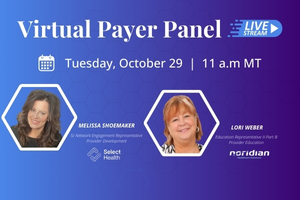
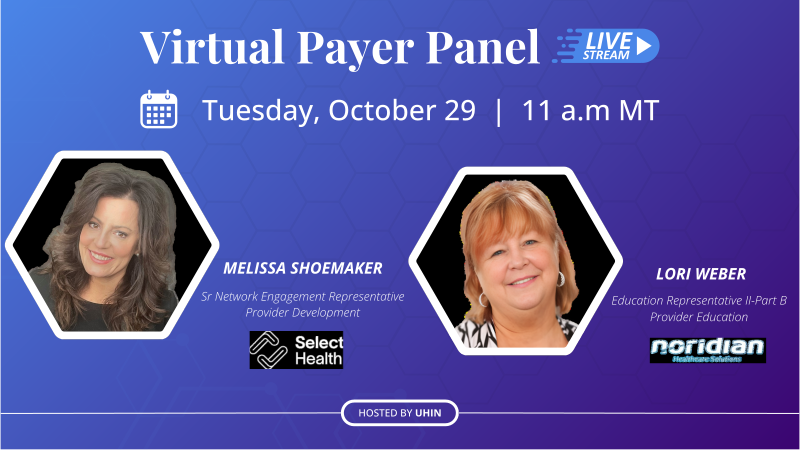
On Tuesday, October 29, we hosted a virtual payer panel with Melissa Shoemaker (Sr Network Engagement Representative Provider Development, Select Health) and Lori Weber (Education Representative II-Part B Provider Education, Noridian Healthcare Solutions, LLC). Our panelists answered questions and shared updates ranging from enrollment to coding, and from prior authorization to EDI recertification. 

Watch the recording on our YouTube channel and look out for future payer panels coming soon!


Comagine Health, our affiliate partner, recently shared a link to this informative guide (by Katelyn Jetelina) on vaccines for all three fall respiratory viruses: flu, RSV, and Covid-19. Take a look and be in the know!


Simplify EDI Management: The Ideal Clearinghouse Solution for Large Providers

Managing Electronic Data Interchange (EDI) processes can be complex for large healthcare providers: Maintaining reliable connections, ensuring seamless claim submissions, accurately tracking remittances, verifying eligibility, and handling EDI transactions across multiple payers. These are burdensome without the right clearinghouse partner. That’s where our comprehensive clearinghouse solution and support team steps in.

Why Large Providers Need a Reliable Clearinghouse

Large healthcare providers deal with high volumes of claims and remittances, making efficient EDI management essential. Medical administrative transaction volume increased by 11% to 55 Billion transactions in 2022 (per CAQH). Handling mountains of transactions makes the need for automation that much more apparent. 

A robust claim management solution consolidates all payer connections into a single, reliable network, reduces administrative costs and labor, improves cash flow, delivers real-time eligibility, and supports EDI enrollment. 

1. Access to an Extensive Payer Network

We pride ourselves on having one of the most comprehensive payer networks available. Without reliable payer coverage, even a minor disruption can lead to significant revenue cycle issues. That’s why verifying your connections upfront is vital. 

Setting up payer connections and managing your claim volume across the network can be overwhelming and complicated. Using a clearinghouse, like UHIN, lifts the burden by handling the vast, dynamic relationships with payers and trading partners for you. Our clearinghouse connects with thousands of payers nationwide, ensuring that you have the necessary reach to keep your operations running smoothly. You can further simplify your connections with payers by integrating the UHIN Clearinghouse into your current Electronic Health Record (EHR) or Practice Management system (PM), making communications and claim management that much easier in your preferred workflow.

We encourage you to check out our payer list to verify if we have the connections you require. With our national EDI network, you can be confident that your claims will reach their destination without a hitch, reducing delays and improving your cash flow.

2. Real Cost Savings

Switching to our clearinghouse solution could lead to substantial savings for your organization. We offer usage-based pricing that ensures you only pay for what you use, with no long-term contracts or hidden fees that are common with others. We earn your business every day. 

Because we’re a non-profit, we provide competitive rates and exemplary support. We’re a mission-driven company focused on the improvement of care and costs. Private and public companies that operate clearinghouses tend to focus on their own costs and revenue first, then their customers. We invite you to explore our pricing options and see how much you could save by making the switch today. Don’t miss out on the opportunity to enhance your EDI management, maximize payments, and reduce costs at the same time.

3. Improved Cash Flow

Working with a clearinghouse that focuses on connectivity and modern EDI practices improves cash flow by streamlining critical processes, such as eligibility checks and claim submissions. Maintaining connections with payers enables consistent reimbursement and offloads risk if other networks are compromised. 

In addition, automating claim management systems reduces errors, accelerates claim approvals, and minimizes claim denials. This supports consistent payments and allows caregivers to focus on delivering quality patient care, contributing to sustained financial health.

4. Dedicated EDI Enrollment Support

In order to submit claims electronically to payers, providers must first complete EDI enrollment. Getting started with a new clearinghouse can be daunting, but our team of EDI enrollment specialists (all based in the U.S.) are here to help. They are ready and waiting to assist providers with enrollment, ensuring a smooth transition. 

EDI enrollment is vital to your success as claim management moves further into the fully electronic era. Enrollment enhances efficient communication with payers, enabling providers to submit claims and get paid faster. Our specialists provide personalized support to establish your connections quickly, so you can start experiencing the benefits of our services right away. With our team by your side, you’ll have the support you need to easily make the change.

5. Verifying Patient Eligibility

Electronic patient eligibility verification improves patient payment by allowing providers to check insurance eligibility easily before treatment. This results in reduced manual work for staff, less mistakes, and fewer denied claims. Providers can collect more co-pays or coinsurance upfront using electronic patient eligibility verification. Leveraging a software solution also ensures that the data being transmitted is accurate, and can be processed quickly and in real-time in many cases.

Real-time patient eligibility verification ensures that all patient information is correct right from the start and has long-term effects. Accurately verifying patient eligibility before treatment ensures that submitted medical claims align with insurance policies and patient coverages. Effective verification processes directly lead to fewer claims rejections and more approvals. Streamlining this process leads to reduced administrative burden, and expedites payments by not having to reprocess rejected claims.

Key Benefits for Large Providers

Our clearinghouse service offers several critical benefits tailored to the needs of large healthcare providers. By partnering with us, you can expect:

  1. Extensive payer network that ensures you have the necessary reach to keep your operations running smoothly.
  2. Cost savings with automation and a non-profit clearinghouse model focused on your success.
  3. Improved cash flow through faster automated claim processing and fewer rejections.
  4. Simplified EDI enrollment supported by a team of EDI enrollment specialists ready to help you.
  5. Real-time patient eligibility verification that reduces delays and improves patient satisfaction.

Ready to Get Started?

If you’re ready to take the next step, visit our National EDI Network solutions page for more details on the benefits of working with UHIN. Next, check out our payer list and review our pricing options. Then, see how easy it is to start with our dedicated EDI Enrollment team.

Contact us today to learn more about how we can help streamline your EDI processes and support your organization’s growth.


Newsletter: September 2024 Issue

UHIN September 2024 Newsletter

SEPTEMBER 2024

Keep scrolling for our final update on the Change Health Care cybersecurity event, the ways caregivers use the CHIE to manage falls amongst our older population, and how the Clearinghouse simplifies claim management for Providers. Plus, upcoming events, trainings, and conferences…

Join our 1,000+ followers on LinkedIn!


Final Update on UHIN's Response to Change Healthcare Cybersecurity Event

​​​​We are pleased to announce that our efforts to restore full functionality following the cybersecurity event at Change Health Care (CHC) have been successful. Learn more about our streamlined enrollment processes, increased Electronic Remittance Advice (ERA) submissions, and updated payer list.


The week of September 23rd was Falls Risk Awareness Week. We took this time to bring attention to falls amongst our older population. Utilizing the CHIE’s Falls Risk Indicator, providers receive timely information about potential falls within their patient population, empowering them to contact patients with the right support to keep them healthy and independent.


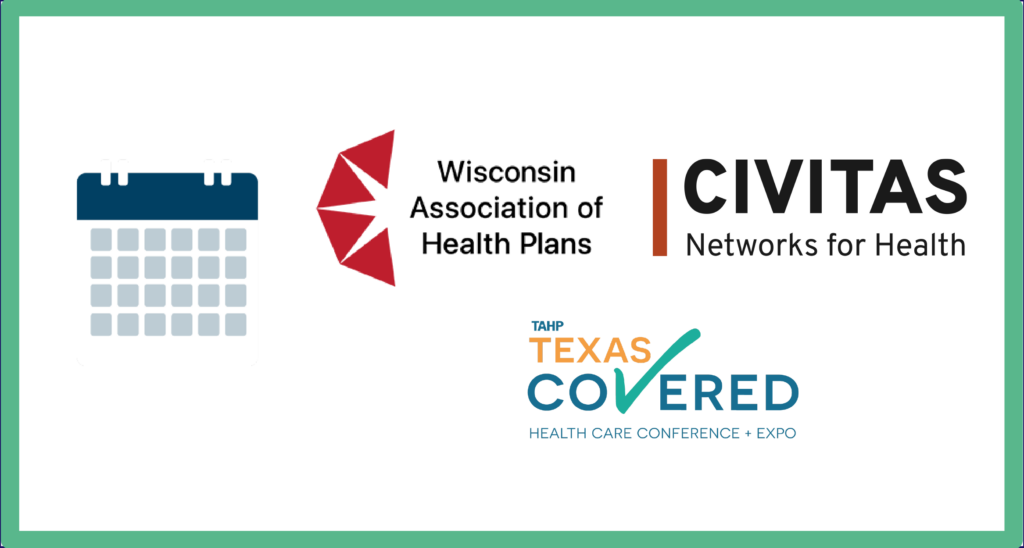
September 26-27: Wisconsin Association of Health Plans Annual Conference in Elkhart Lake, WI

October 15-17: Civitas Annual Conference in Detroit, MI

November 4-6: Texas Covered Health Care Conference + Expo Event in Austin, TX


In the months ahead, we’ll host Virtual Payer Panels and CHIE platform trainings. Sign up in the email preference center to stay informed of dates and details.

Interested in learning how to use the CHIE or MYUHIN to their fullest capabilities? Make sure to visit the UHIN Education channel ​​​​​​to watch our how-to videos on YouTube. 


Learn how UHIN’s Clearinghouse, the nation’s only nonprofit clearinghouse, provides a modern, mission-driven claim management solution for Providers.


Final Update on UHIN’s Response to Change Healthcare Cybersecurity Event

We are pleased to announce that our efforts to restore full functionality following the cybersecurity event at Change Healthcare (CHC) have been successful.

Streamlining Enrollment Processes: Since the last update, we have completed key initiatives around streamlining enrollment, which has increased the number of Electronic Remittance Advice (ERA) submissions through our new partner network.

For providers who are still not receiving ERAs, please complete re-enrollment in MYUHIN. If you have any questions, please contact us at enrollment@uhin.org.

Updated Payer List: UHIN has updated its payer list. If you are getting rejections regarding a payer ID, please check https://uhin.org/resources/payer-list.

Continued Progress and Support: UHIN remains fully committed to providing a seamless claims processing experience for all our customers.

Thank you for your continued trust and partnership.


Newsletter: August 2024 Issue

AUGUST 2024

In this issue, we discuss compliance with the Information Blocking Rule (IBR), share updates on our CHIE portal and Clinical Data Repository migration, as well as our progress following the Change Healthcare cybersecurity event. Looking ahead, we’re preparing for Virtual Payer Panels, CHIE platform trainings, and in-person conferences around the country. Finally, we’re proud to share that Gartner highlighted the UHIN Clearinghouse, emphasizing our long-standing commitment to compliance, security, and privacy.

Stay in the know – join us on LinkedIn!


We’ve been working hard with our vendor to set up the new CHIE portal and Clinical Data Repository, as well as migrating data and connections for our interfaces. We anticipate going live at the end of September. We’ll send weekly updates with more information on what to expect. Click here to learn more about the new CHIE Platform.  
​​​​​
Portal users will see a more modern experience, including an updated homepage dashboard and patient summary. Based on feedback from users, we are migrating 5 years of data. We will migrate a longer history for allergies, immunizations, colonoscopies, and opt out requests.  

If you are not currently using the portal, you should not notice any changes in current functionality, and your alerts and interfaces should continue to work as they always have.


Update

We’re pleased to provide a positive update on our ongoing efforts to restore full functionality following the cybersecurity event at Change Healthcare (CHC). Keep reading for updates on expanded payer network coverage, increased ERA submissions, streamlining enrollment processes, re-enrollment, and support.


Hand under hologram of health data symbols

As healthcare continues to share data and information more frequently, the importance of adhering to information blocking regulations cannot be overstated. Particularly as disincentive regulations for healthcare providers went into effect on July 31, 2024. See how HIEs play a role in Information Blocking Rule (IBR) compliance and benefit both patients and providers.


September 13: Utah Medical Association (UMA) annual House of Delegates in Midvale, UT

September 26-27: Wisconsin Association of Health Plans Annual Conference in Elkhart Lake, WI

October 15-17: Civitas Annual Conference in Detroit, MI

November 4-6: Texas Covered Health Care Conference + Expo Event in Austin, TX


In the months ahead, we’ll host Virtual Payer Panels and CHIE platform trainings. Sign up in the email preference center to stay informed of dates and details.

Interested in learning how to use the CHIE or MYUHIN to their fullest capabilities? Make sure to visit the UHIN Education channel ​​​​​​to watch our how-to videos on YouTube. 


Gartner released a report to help CIOs reexamine their clearinghouse solution to solve critical business and security concerns. The authors specifically highlighted UHIN as a stand-alone clearinghouse. For decades we’ve supported our customer’s efforts to prioritize compliance, security and privacy. We appreciate the recognition after all these years!


Positive Update on UHIN’s Response to Change Healthcare Cybersecurity Event

We are pleased to provide a positive update on our ongoing efforts to restore full functionality following the cybersecurity event at Change Healthcare (CHC).

Expanded Payer Network Coverage:

UHIN has successfully established connections to all known payers that UHIN providers currently submit claims to. This significant achievement ensures that a wide range of payers are now accessible through our network.

Increased ERA Submissions:

We are delighted to report that we have begun receiving a growing number of Electronic Remittance Advice (ERA) reports (835s) through our new partner network. This indicates that our efforts to re-establish these critical connections are yielding positive results.

Streamlining Enrollment Processes:

We understand that there was initial uncertainty regarding the enrollment process moving forward. UHIN is actively working with our new partners to implement efficient bulk enrollment procedures wherever possible. This will simplify the process for providers and expedite the restoration of full functionality.

Identifying Re-enrollment Requirements:

We have become aware that certain payers may require providers to re-enroll on their systems. We are working with our partners to create a comprehensive list of payers in this category. Once we have that list we will communicate out via the UHIN Status Page an update with instructions on how to re-enroll with those payers. If there are any questions regarding enrollment they can be sent directly to our enrollment team at enrollment@uhin.org.

Prioritizing High-Volume Payer Re-enrollment:

For high-volume payers that necessitate re-enrollment, UHIN is committed to working closely with our partners to streamline this process and minimize any inconvenience for providers. We will explore options to make the re-enrollment process as efficient and straightforward as possible.

Continued Progress and Support:

UHIN remains dedicated to ensuring a seamless claims processing experience for all our customers. We are making continual updates to our Payer List and we will continue to provide regular updates on our progress. Our customer service team, as always, is here to assist you with any questions or concerns.

Thank you for your continued partnership.

Get Your Claims Flowing

For providers, you need to get your claims flowing again. We are working with payers to expedite your enrollment with them. You can then create and send professional and institutional claims, submit via SFTP, file tool or online hand-entry, check claims status, manage denials and rejections, and search, view, and download payment information. Sign up to fast-track your enrollment with many payers today, and manage your claims and revenue with confidence.


Bridging the Gap: Health Information Exchanges and Information Blocking Compliance

Doctor showing a hologram of quality medical care on a blurred background.

Health Information Exchanges (HIEs) have worked on interoperability for over a decade. Interoperability is crucial for improving patient care, reducing medical errors, and reducing avoidable procedures and unnecessary rework. The Information Blocking Rule (IBR), a part of the 21st Century Cures Act, aims to prevent healthcare providers and other entities from hindering interoperability or the exchange of electronic health information (EHI). This rule prohibits actions that intentionally restrict or interfere with the access, exchange, or use of electronic health information, promoting a more interconnected healthcare ecosystem. By fostering interoperability, IBR empowers patients and healthcare providers to access and share health information efficiently, leading to better-coordinated care and improved health outcomes.

This blog post will discuss the two main views of the IBR. First, to be compliant with the Information Blocking Rule, healthcare providers and other entities must ensure they are not intentionally restricting or interfering with the access, exchange, or use of electronic health information. This includes implementing systems and processes that enable the seamless flow of patient data while adhering to appropriate security and privacy measures. Second, the Information Blocking Rule offers several benefits, including improved patient care through better access to their health information, reduced medical errors due to more complete and accurate data, and enhanced coordination among healthcare providers. This ultimately leads to better health outcomes for patients and a more efficient healthcare system.

Understanding Information Blocking Compliance

Specific actions by providers, health systems, payers, and hospitals may be considered information blocking. This includes refusing to provide access to electronic health information, imposing unreasonable fees, or using technology that restricts data sharing. By understanding the rule’s requirements and exceptions, entities can ensure they are complying with its provisions, and fostering a more interoperable healthcare ecosystem that benefits patients and providers alike.

The Impact of New Disincentives on Healthcare Providers

Disincentive regulations for healthcare providers went into effect on July 31, 2024. The new disincentive regulations for healthcare providers emphasize the importance of compliance with information blocking rules. These regulations, established by the U.S. Department of Health and Human Services (HHS), impose penalties on providers who: “engage in practices that the health care providers knew were unreasonable and were likely to interfere with, prevent, or materially discourage the access, exchange, or use of EHI, except as required by law or covered by a regulatory exception.”

Penalties for Non-Compliance

The penalties for non-compliance with IBR can be significant and vary depending on the severity of the violation. Here’s a breakdown:

  • Civil Monetary Penalties (CMP): The Office of Civil Rights (OCR) can impose civil monetary penalties of up to $1 million per violation.
  • Corrective Action Plan: OCR can require the non-compliant entity to develop and implement a corrective action plan to address the violation.
  • Public Disclosure: OCR can publicly disclose the name of the non-compliant entity and the nature of the violation.
  • Other Enforcement Actions: In addition to the above, OCR can also take other enforcement actions, such as issuing a Notice of Proposed Determination (NOPD) or a Notice of Enforcement Action (NOEA).

It’s important to note that the Information Blocking Rule also includes a “safe harbor” exception that protects entities from penalties if they can demonstrate that they are acting in good faith and have taken reasonable steps to comply with the rule. However, even with the safe harbor provision, it’s pivotal for entities to understand the rule’s requirements and to take steps to ensure compliance.

Source: Official Website of the Assistant Secretary for Technology Policy/Office of the National Coordinator for Health IT, HealthIT.gov

Benefits of HIEs to Support IBR Compliance

HIEs can facilitate compliance with the Information Blocking Rule. HIEs act as secure platforms for the exchange of electronic health information between different healthcare providers, enabling seamless data sharing and reducing the likelihood of information blocking. By providing a standardized infrastructure for data exchange, HIEs eliminate the need for providers to develop their own complex systems, which can help to reduce the risk of intentional or unintentional information blocking. Furthermore, HIEs promote interoperability by supporting data exchange in a standard and secure manner, making it easier for providers to access and share patient information. In this way, HIEs contribute significantly to a more interconnected healthcare ecosystem that assists with IBR compliance and benefits both patients and providers.

Conclusion

As healthcare continues to share data and information more frequently, the importance of adhering to information blocking regulations cannot be overstated. The penalties for non-compliance are significant, and the need for seamless access to patient data is critical. HIEs play an important role in helping healthcare providers and caregivers support the secure sharing and accessing of EHI. 

UHIN operates and maintains the Clinical Health Information Exchange (The CHIE) that allows caregivers to improve access to data collected from outside of their system. The CHIE is the only HIE in Utah.

Sources

“What is Information Blocking and to Whom Does It Apply?”, HealthIT.Gov,  https://www.healthit.gov/topic/information-blocking 

“HHS Finalizes Rule Establishing Disincentives for Health Care Providers That Have Committed Information Blocking”, U.S. Department of Health and Human Services (HHS), June 24, 2024, https://www.hhs.gov/about/news/2024/06/24/hhs-finalizes-rule-establishing-disincentives-health-care-providers-that-have-committed-information-blocking.html 


Newsletter: July 2024 Issue

JULY 2024

As the world’s greatest athletes convene and compete in Paris, we look at the ways each of us can strive for greatness in our own healthcare arenas. We all have a part to play in realizing collective success: Pursuing peak performance in electronic data interchange (EDI), building connections across organizations, and forming new bonds for lasting impact. How can you prepare and perform to claim gold in your respective field of play in healthcare?

Follow us on LinkedIn for weekly posts and updates!


Leaders in healthcare electronic data interchange (EDI) must pursue peak performance in claim management and data excellence, akin to athletes pushing to win at the highest levels.

Just as sprinters, gymnasts or divers prepare meticulously and train relentlessly, EDI leaders must ensure accuracy, innovate continuously, harness data effectively, surmount challenges, foster a culture of teamwork, and celebrate successes along the way.

For health plans, the results from these collective efforts include significantly reduced costs, enhanced processes, and improved member satisfaction. Learn how you can incorporate the best practices of the world’s greatest athletes to achieve data excellence and become an EDI champion.


Sarah Stierch (CC BY 4.0)

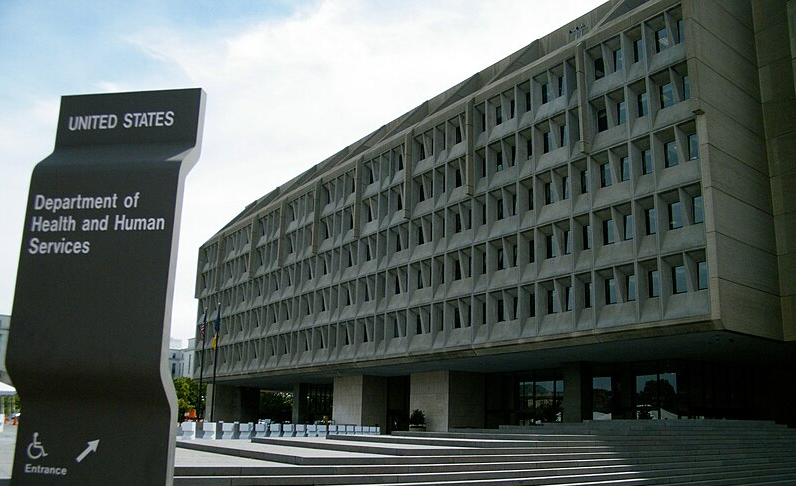
The U.S. Department of Health and Human Services (HHS) has announced a reorganization aimed at enhancing its technology, cybersecurity, data, and artificial intelligence (AI) strategy and policy functions. This restructuring consolidates these responsibilities into a newly renamed office, the Assistant Secretary for Technology Policy and Office of the National Coordinator for Health Information Technology (ASTP/ONC), to oversee key roles, including the Chief Technology Officer, Chief Data Officer, and Chief AI Officer. 

Why This Matters for Leaders in Health Information Exchange and Healthcare Data:

1. Centralized Oversight and Strategy: The reorganization centralizes technology, data, and AI oversight under the ASTP/ONC, ensuring a cohesive strategy and streamlined decision-making process.

2. Enhanced Cybersecurity Measures: By moving the “405(d) Program” to ASPR, HHS aims to enhance its cybersecurity efforts, providing a more robust, consolidated and coordinated approach to protecting health sector infrastructure. 

3. Focused Leadership and Expertise: The establishment of dedicated roles, including the Chief Technology Officer, Chief Data Officer, and Chief AI Officer, highlights HHS’s commitment to drive innovation, improve data governance, and ensure the safe and ethical use of AI in healthcare, benefiting both providers and patients.


Claim managers at health plans can achieve excellence by adopting specific action items, such as refining validation processes, increasing their auto-adjudication rate, and ensuring secure transactions. Drawing inspiration from world-class athletes, they must remain focused, resilient, and committed to continuous improvement. Read this month’s blog post to see how you can incorporate the best practices of Olympic divers, gymnasts, cyclists, hurdlers, basketball teams, and sprinters to win gold and become an EDI champion.


July 30: Provider Resource Fair hosted by Aspen Grove Behavioral Hospital in Orem, UT

September 13: Utah Medical Association (UMA) annual House of Delegates in Midvale, UT

October 15-17: Civitas Annual Conference in Detroit, MI


Coming soon: Our virtual Payer Panel series and training sessions on the new CHIE platform, specifically for portal users. Subscribe for more details and notifications!


Got a story or event that your peers in healthcare and tech just have to know? An innovative interoperability solution or point of view?

Please email us at communications@uhin.org and we’ll include links to our favorite community content each month.


EDI Champions: Achieving Data Excellence

Leaders in healthcare electronic data interchange (EDI) must pursue peak performance in claim management and data excellence, akin to athletes pushing to win at the highest levels. Just as divers, gymnasts, cyclists, hurdlers, basketball teams, and sprinters train relentlessly to execute with precision, EDI leaders must remain focused, while taking meaningful actions to improve their operations every day.

The Pursuit of Perfect Precision

Divers focus on every detail to dive with precision from platforms up to 33 feet above the water and break the water with a splash-less entrance. For divers, hitting the surface with flat palms for a “rip entry” leads to a medal-worthy, tiny splash. Achieving excellence in claim management stems from meticulous attention to claim accuracy and closing the proximity of error. This pursuit involves reducing manual claim processes, refining validations, and improving auto-adjudication rates that will reduce costs and alleviate staff bandwidth. This makes the difference between winning gold and watching from the bleachers.

Automation of claims transactions could reduce the cost per transaction by up to 50% for health plans.

CAQH Index Report | 2023

Adaptation and Innovation

In the high stakes world of gymnastics, adaptation and innovation are key to staying ahead of the competition. Similarly, the healthcare industry is constantly evolving, and staying competitive requires embracing innovation and adaptation. From adopting cloud-based EDI solutions to integrating Fast Healthcare Interoperability Resources (FHIR), EDI managers must be at the forefront of technological advancements. These innovations are revolutionizing claim management in ways that will enable enhanced data accuracy and improve compliance with ever-changing regulations.

Harnessing the Power of Data

Data is the lifeblood of both cyclists and claim managers. For world-class cyclists, data-driven insights and performance metrics are crucial for fine-tuning their training regimens. Power output, revolutions per minute, heart rate, watt-to-weight ratio, and other data help cyclists cross the finish line first. In the realm of healthcare, harnessing the power of data can transform claim management. Health plans can leverage claim data in many valuable ways, like identifying high-utilizers who drive up costs and loss ratios, detecting fraud, optimizing payouts, and more. This proactive approach – rooted in data analysis – can lead to reduced costs, precise payouts, improved security, and enhanced efficiency across the business.

Overcoming Hurdles

To win gold, world-class hurdlers prepare rigorously to clear physical hurdles without losing momentum. Similarly, EDI managers face daily challenges like dealing with paper claims, EDI enrollment, and meeting claim resolution within the mandated time frame. The right claim management solution will help to alleviate daily issues, deliver accurate data and facilitate consistent communications that ensure a smoother path to claiming gold in data excellence.

The Role of Teamwork

Behind every successful team is a dedicated group of coaches, trainers, and support staff. In healthcare data management, teamwork is equally vital. Collaboration between EDI managers, IT and operations teams, and technology partners is essential for achieving peak performance. By fostering a culture of open communication and cross-functional cooperation, organizations can ensure that every team member is aligned with the common goal of excellence in data management. This collaborative effort results in seamless workflows, fewer errors throughout the claim lifecycle, and enhanced automation. 

Celebrating Achievements

Every milestone reached on the track, whether it’s a personal best or a new world record, is a cause for celebration. In healthcare data management, it’s important to recognize and celebrate achievements. From achieving a new high in auto-adjudication rates to successfully implementing a new EDI system or resolving complex claim issues, these accomplishments are a testament to the hard work and dedication of the entire team. Celebrating these successes not only boosts morale but also reinforces the commitment to continuous improvement and excellence.

Health plans can deliver short-term business cost savings affecting about 10% of total payer expenses by aggressively simplifying operations in 2024.

Gartner | 2024

The Path Forward

In conclusion, claim managers at health plans can achieve excellence by adopting specific action items, such as refining validation processes, increasing their auto-adjudication rate, and ensuring secure transactions. Drawing inspiration from world-class athletes, they must remain focused, resilient, and committed to continuous improvement. 

Leveraging data effectively and fostering teamwork are crucial for precise claim management and improving overall efficiency. Embracing innovation and adaptation will keep health plans competitive, cost-efficient and compliant in the evolving healthcare landscape. Thoughtful preparation and execution will help EDI managers overcome the hurdles on a daily and long-term basis. Coming together as a team, including with your EDI partner, leads to better communications, reduced manual work, and seamless workflows. Celebrating achievements, no matter how small, reinforces the commitment to excellence and motivates the entire team to strive for peak performance. 

The journey may be challenging, but the rewards of excellence in healthcare data management are well worth the championship effort.

Partnering with an established leader in claim management, like UHIN, sets your health plan on a path towards EDI excellence. As a mission driven clearinghouse, UHIN approaches claim management differently: we pass cost savings on to customers, provide expert, US-based customer service, and focus on the success of our customers – not our own.


Newsletter: June 2024 Issue

June 2024 newsletter

JUNE 2024

As the mercury soars this summer, we’re turning our attention to the burning issues in Health Information Technology (HIT). We’re delving into the latest developments in Fast Healthcare Interoperability Resources (FHIR), the blazing necessity of cybersecurity, updates on the Change Healthcare breach, and upcoming events and webinars.

Follow us on LinkedIn for weekly posts and updates!


finger on iPad

HL7® FHIR® (Fast Healthcare Interoperability Resources) represents a paradigm shift in healthcare data exchange. In our most recent blog post, Ryan McLelland (Chief Technology Officer at UHIN) provides a thought-provoking look at the benefits of FHIR, the myths around it, and a strategic approach to implementing this powerful catalyst for innovation in healthcare. 


Maintaining a strong security posture is critical for protecting personal health information (PHI) and other data. Good practices include establishing interoperability, resiliency and redundancy across your network. As ransomware attacks continue to climb in the US, you need to cover your network to make sure you don’t get burned.

We continue to monitor and share updates about the Change Healthcare (CHC) breach on our News & Updates page. You can also sign up to receive Status updates via email, Slack, text, and other preferred methods whenever UHIN creates, updates or resolves an incident, including information about the CHC breach.


Security lock

We recently shared an update on our ongoing efforts to minimize disruption caused by the cybersecurity event at Change Healthcare (CHC), with a specific focus on Electronic Remittance Advice (ERA) delivery (835 files). 


Events

July is National Minority Mental Health Awareness Month. We’ll share info, inspiration, and resources for mental health on our social media.

We will be closed for Independence Day on Thursday, July 4, 2024.

Upcoming Conferences:​​​​​​September 13: Utah Medical Association (UMA) annual House of Delegates in Midvale, UT

October 15-17: Civitas Annual Conference in Detroit, MI


people icons

In July, we’re starting our virtual Payer Panel series where you can ask questions and get answers from health plan representatives.

Later this year, we’ll host training sessions on the new CHIE platform, specifically for portal users.


We continue to support Providers affected by the CHC breach by working with payers to expedite Provider enrollment. Once enrolled, Providers can use our solutions to create and send professional and institutional claims via SFTP, file tool or online hand-entry, check claims status, manage denials and rejections, and search, view, and download payment information. Click below to learn more and get your claims flowing again!